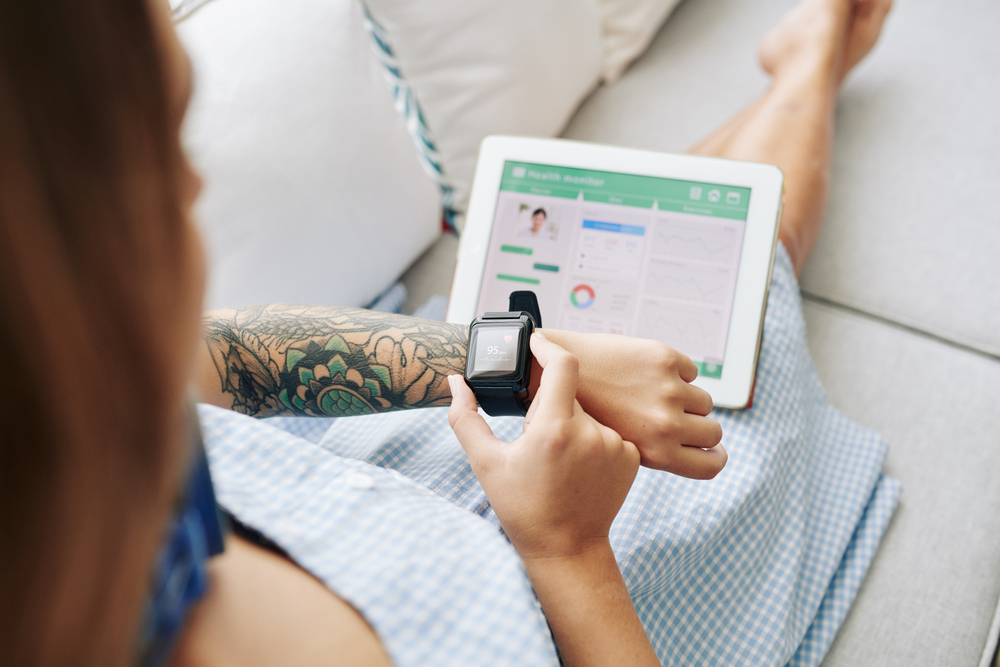
The healthcare industry has undergone a massive digital transformation. By 2026, telemedicine is no longer just a “convenience”—it is a necessity for providers and patients alike. Whether you are looking to develop a telemedicine mobile application in Kansas or for a global audience, the stakes are high because you are dealing with sensitive human lives and data.
Imagine a situation when you are suffering from a severe headache at midnight. How would you reach the clinic with that painful condition? Hey, welcome to the digital era. You don’t need to go outside when the clinic is just a few touches away from you. We are not kidding you at all. Most people still aren’t aware of the advancement of technology. Today, customers want everything now. It is the reason why mobile app development services Kansas is increasing day by day.
In this guide, Inaayat Chaudhry breaks down the essential roadmap for building a secure, scalable, and user-friendly telehealth platform.
Understanding the Legal Framework (Compliance)
The most critical step in healthcare app development is legal compliance. In the United States (and specifically Kansas), your app must adhere to HIPAA (Health Insurance Portability and Accountability Act) regulations.
- Data Encryption: All patient-doctor communications must be encrypted end-to-end.
- Audit Logs: You must keep a record of who accessed what data and when.
- Secure Backend: Your app’s data cannot be stored on just any server. It requires Secure Video Meeting Infrastructure and specialized healthcare-grade hosting.
Essential Features for a 2026 Telemedicine App
To compete in the current market, your app needs to go beyond simple video calls. Consider these Advanced Mobile App Strategies:
- AI-Driven Symptom Checker: An initial AI bot that gathers patient symptoms before they connect with a doctor.
- Electronic Health Record (EHR) Integration: Seamlessly pull a patient’s medical history during the call.
- E-Prescriptions: Doctors should be able to send digital prescriptions directly to a patient’s preferred pharmacy.
- Multi-Device Sync: Patients should be able to start a consultation on their laptop and finish it on their phone.
Choosing the Right Technology Stack
For healthcare apps, stability is life-saving. In 2026, the best approach is:
- Frontend: React Native or Flutter for a smooth cross-platform experience.
- Backend: Node.js or Python for fast data processing.
- Video Engine: WebRTC for high-quality, low-latency video streaming.
Why Hosting Architecture is Critical
A telemedicine app cannot afford downtime. Imagine a critical consultation failing due to a server crash. To avoid this, you need:
- Low Latency: If you are targeting Kansas, your server should ideally be in a US-Central region. For Indian or global audiences, use Location-Specific Hosting.
- Scalability: The ability to handle hundreds of simultaneous video streams.
- Managed Support: You need a team that ensures your Managed WordPress or VPS Backend is always updated with the latest security patches.
UI/UX Design for Patients and Doctors
Healthcare apps serve a wide demographic, including the elderly.
- Simplicity: High-contrast buttons and large text.
- One-Click Join: The “Join Call” button should be front and center.
- Trust Elements: Use professional colors (blues and whites) and clear doctor profiles to build Digital Trust.
Frequently Asked Questions (FAQ)
Q1: How much does it cost to build a telemedicine app? Answer: A basic HIPAA-compliant MVP starts around $30,000. Features like AI diagnostics or full EHR integration can push the budget to $80,000+.
Q2: Is telemedicine legal in Kansas? Answer: Yes, Kansas has specific parity laws that require private insurance to cover telemedicine just like in-person visits. Always consult a legal expert for the latest local state updates.
Q3: Can I host a telemedicine app on shared hosting? Answer: Absolutely not. Healthcare apps handle Protected Health Information (PHI) and require high-performance VPS or Dedicated servers with strict security protocols.
Conclusion
Developing a telemedicine app in 2026 is a rewarding but complex venture. By prioritizing security compliance, choosing the right tech stack, and ensuring a reliable server foundation, you can create a platform that truly saves lives.
Ready to launch your healthcare platform? Ensure your app has the fastest, most secure backend. Explore our High-Performance Hosting Plans today.

Mason Smith is AGM Host’s Head of Infrastructure and a certified Linux Server Administrator with over 10 years of experience. Specializing in high-performance VPS and Dedicated server setups, Mason writes to help advanced users master website speed, security, and advanced caching strategies to handle millions of visitors. His expertise ensures your site never suffers from downtime.